Tenancy deposit protection: the landlord rules
A tenancy deposit must be capped, protected in a government-approved scheme and explained to the tenant in writing.
Checked against the sources below on 21 October 2026. England only.
In short
- The deposit can be at most 5 weeks’ rent, or 6 weeks’ if the annual rent is £50,000 or more.
- Protect it in an approved scheme within 30 days of receiving it.
- Give the tenant the required information about the deposit within the same 30 days.
- Return it within 10 days of agreeing with the tenant how much they get back.
- If you don’t protect it, a court can order you to pay the tenant up to 3 times the deposit, and you can’t get possession on most grounds.
The schemes
In England there are three approved schemes: the Deposit Protection Service, mydeposits and the Tenancy Deposit Scheme. A custodial scheme holds the money for free; with an insured scheme you keep the deposit and pay the scheme to insure it.
A holding deposit doesn’t need protecting, but once the tenancy starts and it becomes part of the deposit, it does. Deposits paid by someone else, such as a parent, must still be protected.
What to tell the tenant within 30 days
- The address of the home and the amount of the deposit
- How it is protected, and the scheme’s name, contact details and dispute service
- Your name and contact details, or your agent’s
- The name and contact details of anyone else who paid the deposit
- Why you might keep some or all of it
- How to get it back at the end of the tenancy, what to do if they can’t reach you, and what to do if you disagree about the amount
Deposits checked and tracked
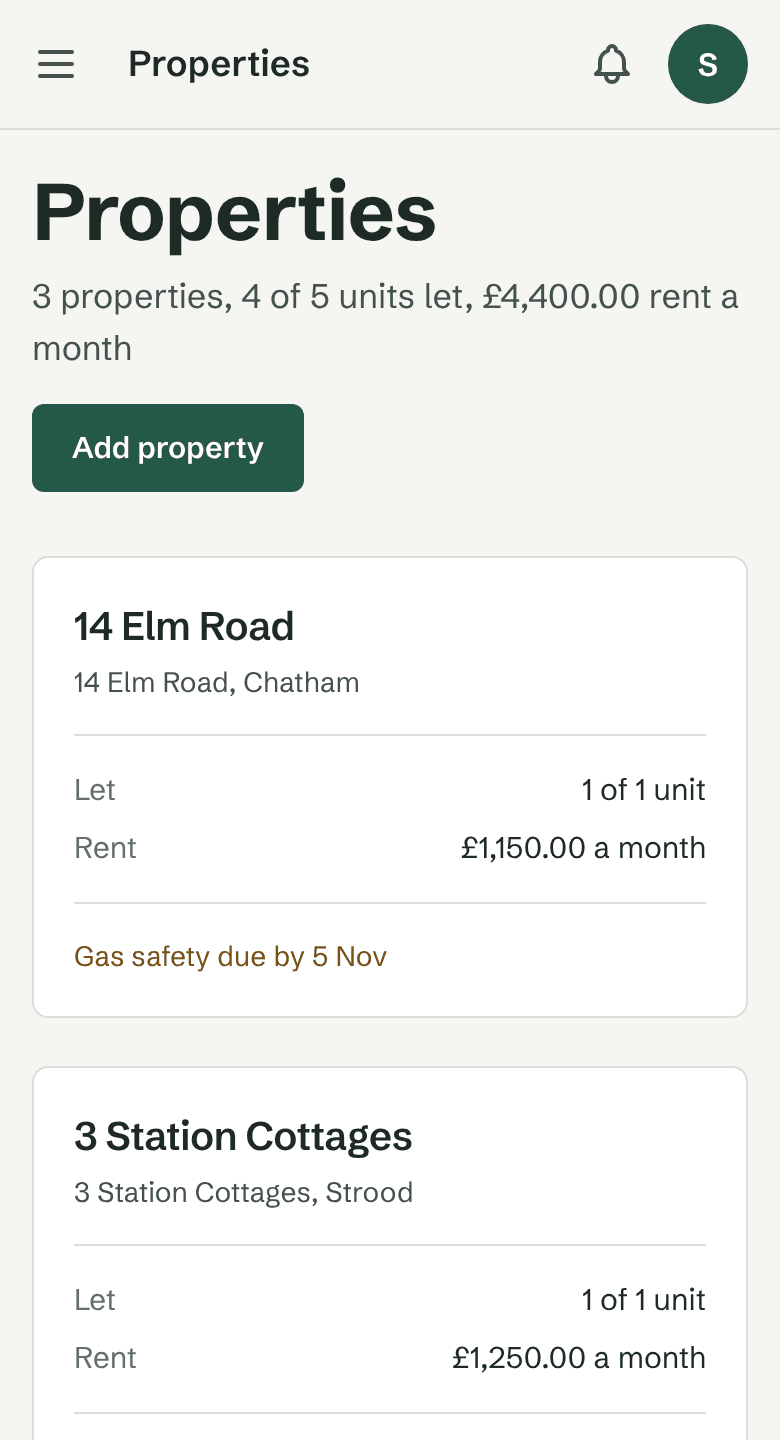
LieuTenant checks each new deposit against the 5 or 6 weeks’ limit, records the scheme and reference, and flags any tenancy without a deposit protection certificate.
Questions
How long do I have to protect a deposit?
30 days from receiving it. Give the tenant the required information within the same 30 days.
What is the penalty for not protecting a deposit?
A court can order you to pay the tenant up to 3 times the deposit, and under the Renters’ Rights Act you can’t get possession on most grounds until it is put right.
Sources
- Deposit protection schemes and landlords (GOV.UK)
- Information you must give your tenants (GOV.UK)
- If you don’t protect your tenants’ deposit (GOV.UK)
- Tenant Fees Act 2019, schedule 1 (deposit cap)
- Guide to the Renters’ Rights Act (GOV.UK)
This guide is general information, not legal advice. Rules change; check the sources or a professional before acting.